Article
Your station’s “Advertise With Us” page is a good starting point, but it probably gives every business the same sales pitch. A restaurant owner, an HVAC contractor, and an employer trying to fill positions have different goals. Creating a dedicated page for each gives your sales team something more relevant to share and gives potential advertisers useful information when they search online.
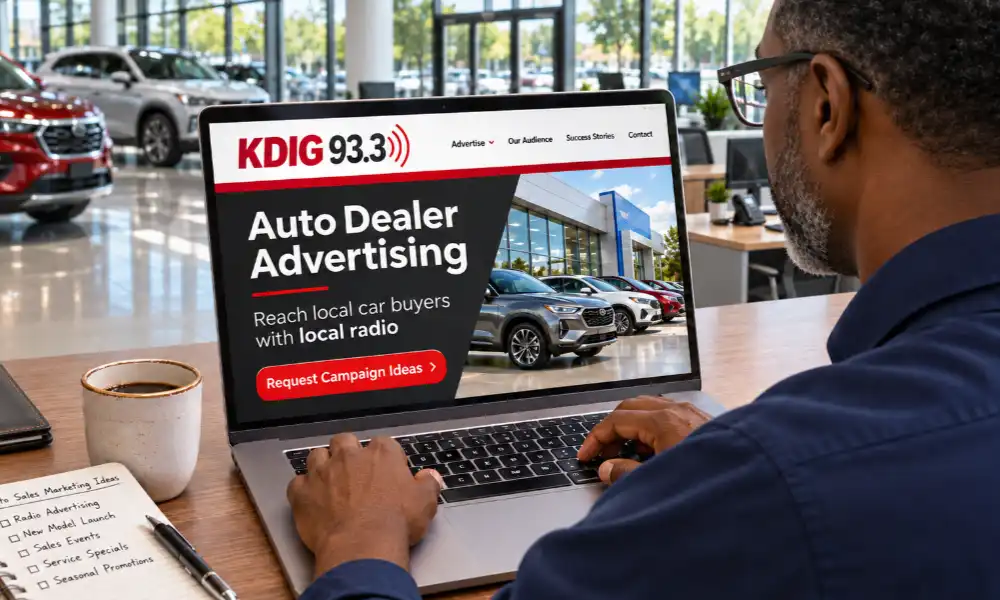
These are called landing pages. Each one focuses on a particular business category, advertising opportunity, or question, with a clear next step. A restaurant advertising page could explain ways to promote weekday lunch specials. A recruitment page could show how employers can use your station to promote job openings. A high school football sponsorship page could outline the coverage, available sponsorships, and what a business receives.
The pages belong in your sales process as soon as they are published. Your salespeople can share them in prospecting emails, send them after conversations, and include them in proposals. Your website can link to them from its advertising section, and your station can promote them through on-air messages, social posts, and paid campaigns. The more people that visit these pages, the easier it is for search to pick them up. Search traffic is another opportunity, but you don’t have to wait for someone to find a page on Google before putting it to work.
Targeted pages let you get specific. Here are several directions a station could take:
|
Landing page focus
|
Questions the page should answer
|
Possible next step
|
|---|---|---|
|
Radio advertising in your market
|
Which communities do you serve, who listens, and how does a business get started?
|
Discuss a local campaign
|
|
Restaurant advertising
|
How could the station promote a location, meal occasion, or catering service?
|
Request restaurant campaign ideas
|
|
Home service advertising
|
How could consistent advertising support name recognition and seasonal promotions?
|
Plan a seasonal campaign
|
|
Recruitment advertising
|
How can employers promote openings, and where will interested applicants go?
|
Discuss a hiring campaign
|
|
High school sports sponsorships
|
What does sponsorship include, which teams are covered, and what is available?
|
Check sponsorship availability
|
|
Radio advertising costs
|
What affects pricing, what is included, and what information is needed for a quote?
|
Request a campaign estimate
|
For your sales team, create a simple internal list of the available pages and their addresses. Someone reaching out to an HVAC company should know exactly which link to send. A message such as “Here are a few ways we could help promote your spring maintenance program” gives that link a purpose. After a meeting, the same page gives the prospect something useful to revisit or share with a business partner.
On-air promotion can support these pages, too. If your station is recruiting sponsors for local sports coverage, give interested businesses a short, memorable address that leads to the sponsorship page. Explain the opportunity there, including what is included, the season dates, and whom to contact. Keep availability current so your team isn’t fielding inquiries about packages that sold last month.
What should actually be on the landing page? Start with the advertiser’s goal, explain relevant options, provide evidence, and make it easy to respond. A restaurant page might describe a campaign combining on-air commercials with a station website placement linking to the restaurant’s menu. Include only services you offer, and explain how each piece supports the promotion.
Add a sample commercial, a client testimonial used with permission, or a documented campaign example when you have one. Relevant audience information helps, too, as long as it is clearly labeled. Broadcast listeners, website visitors, and social followers are different measurements and should be presented that way.
End with a specific invitation, such as “Request Restaurant Campaign Ideas” or “Check Football Sponsorship Availability.” Keep the inquiry form short, provide a direct contact option, and make sure someone owns the follow-up. The page should help start a conversation without making the prospect complete a homework assignment.
These pages can also help address what potential advertisers search for. Someone looking for “radio advertising in [your city]” needs a clear explanation of your station, the market you serve, and how to get started. Someone searching for radio advertising costs needs information about what affects the investment.
A cost page does not have to publish your entire rate card. Explain how campaign length, frequency, dayparts, production, and digital options affect a recommendation. If you offer a starting package, describe what it includes. Give visitors enough information to understand the next conversation.
Use descriptive page titles and write genuinely different content for each topic. Changing “restaurants” to “roofers” throughout an otherwise identical page does little to demonstrate that you understand either business. Each page should contain examples and answers that fit its audience.
Start with two or three pages tied to opportunities your sales team is actively pursuing. Have the team help write them, share the links, and report back on what prospects ask. Track inquiries and resulting sales conversations alongside page visits. A page that attracts a handful of qualified local businesses can be more useful than one that gets plenty of traffic and no interest.
We encourage stations to make their websites part of the daily sales effort. Give your account executives useful pages to share, give prospective advertisers clear answers, and connect every page to an opportunity your team is ready to sell.
We want to help your radio station grow and succeed online. That journey starts with an amazing website that keeps visitors coming back often. Reach out to us to start your path to online success, or schedule an appointment to see our tools in action.